Weddin Landcare is encouraging local farmers to clean up old and damaged poly pipe and dispose of it responsibly through their local council waste facilities.
“Poly pipe is incredibly useful on farm and, with a bit of maintenance and the occasional repair, you can get a lot of life out of it,” Local Landcare Coordinator Claire Diprose said. “Repairing and reusing it where practical should always be the first option, but once it is beyond practical repair, it’s time to think about how to best dispose of it.”
Old poly pipe can become tangled or spread around sheds, paddocks and fence lines, creating trip hazards for people, livestock and wildlife and risks damage to vehicles and machinery.
“Burning or burying unwanted poly pipe is not an appropriate disposal option,” explains NetWaste Environmental Learning Advisor Bill Tink. “Burning plastics releases harmful pollutants into the air, while buried plastic remains in the soil and poly pipe that’s left exposed to sunlight and weather for long periods will deteriorate and contribute to plastic pollution”.
While dedicated poly pipe recycling is not currently available in the central west, it is recycled in some parts of Australia. So, by taking old poly pipe to your local waste facility and keeping it sorted from other waste, this will help make future recycling and management options possible.
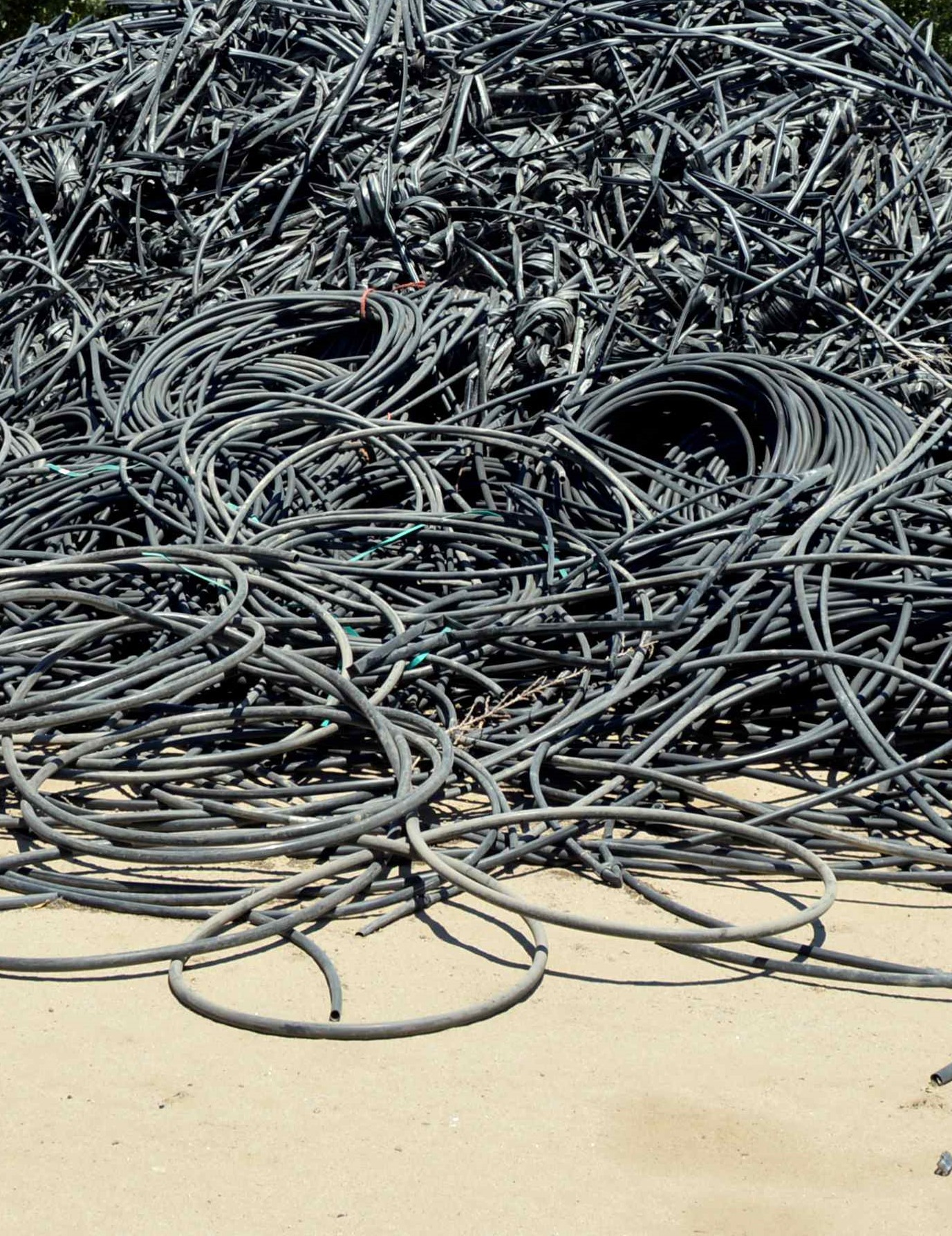
Image credit. Australian Farm Waste Portal
Poly pipe should also be secured for transport so it cannot spring free or come loose on the road and loads should always be tied down and covered.
“Poly pipe can also cause problems for machinery and landfill operations when it arrives at the waste facility in a big, tangled mess,” Mr Tink explained. “It’s best to coil and tie it neatly and securely, or cut it into manageable lengths and bundle it together before you transport it”.
“It’s also important to note that some waste materials may have a cost to process and rural transfer stations can’t always accept every type or quantity of waste” said Mr Tink. “For instance, poly pipe that has been used for chemicals may require different handling, transport and disposal. Farmers should always check their local council website or call ahead before taking poly pipe or other agricultural waste to a waste facility”.
“Discarded pipe can also trap small mammals, reptiles and birds seeking shelter or water, and these impacts are often overlooked,” comments Regional Landcare Coordinator Danielle Littlewood. “Cleaning it up frees up space, removes hazards and means we’re not leaving piles of deteriorating plastic for the next generation to deal with.”
“So, before that pile of old poly pipe turns into a mess, spend a bit of time getting it sorted. Repair or reuse what you can, then coil, bundle and safely dispose of what has reached the end of its useful life. It’s another simple way to make the farm cleaner and safer for everyone,” reminded Ms Diprose.
The poly pipe campaign is part of the year-long AgWaste project being delivered by Central West Landcare groups in partnership with NetWaste. The project encourages farmers and smaller landowners to consider the long-term impacts of inappropriate waste disposal practices, including stockpiling, burning or burying waste on farm.
This initiative is made possible by the NSW Landcare Enabling Program, a collaboration between Local Land Services and Landcare NSW supported by the NSW Government.